

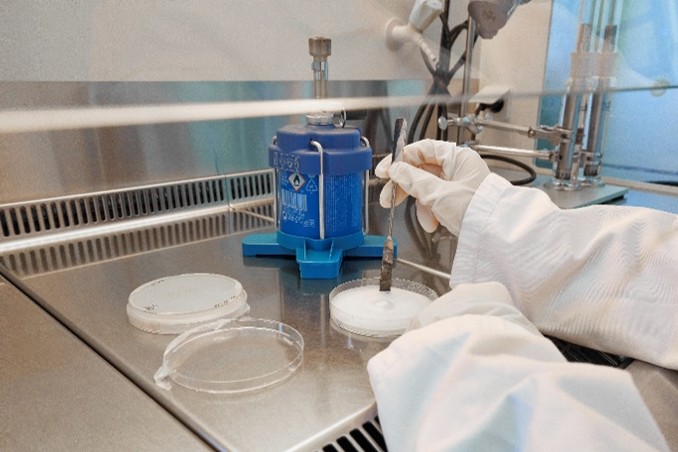
How Can Fermentation Make Alternative Proteins More Attractive?
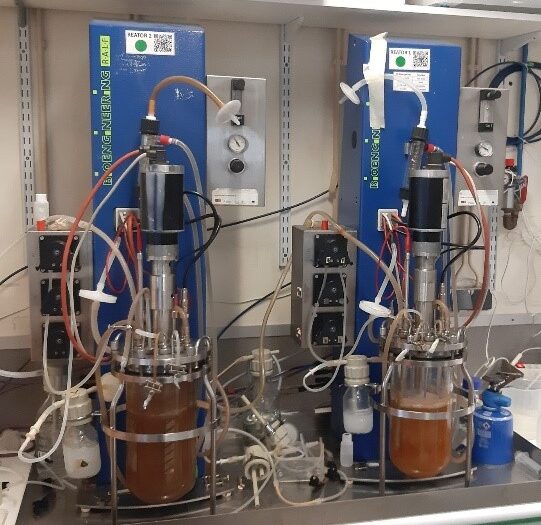
As the demand for more sustainable food grows, researchers from UOH are exploring new ways to produce protein with a lower environmental impact. But finding sustainable protein sources is only part of the challenge. For new protein ingredients to become part of everyday foods, they also need to meet consumer expectations for taste, aroma and overall eating experience.
 This work was funded by the European Union’s Horizon Europe programme as part of project PROTEIN4IMPACT (Grant Agreement No. 101182324). Views and opinions expressed are, however, those of the author(s) only and do not necessarily reflect those of the European Union or the European Research Executive Agency (REA). Neither the European Union nor the granting authority can be held responsible for them.