

From Beer Waste to Micoprotein: Fungal Cultivation for Sustainable Protein Development
Key insights from an interview with Luís Abrunhosa (UMINHO), based on an article in Perspetiva Atual
Researchers in Protein
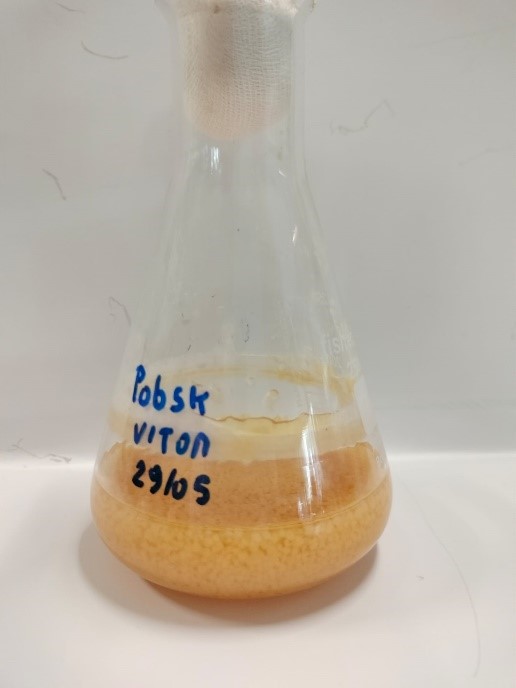
At the University of Minho (UMINHO), Luís Abrunhosa and his colleagues, Eduardo Coelho and Vítor Sousa, are investigating how Pleurotus ostreatus, a well‑known oyster mushroom, can grow on brewer’s spent grain (BSG) under submerged conditions, transforming this underused by‑product of beer production into micoprotein through fungal cultivation.
Why were the fungi and brewer’s spent grain chosen?
Brewer’s spent grain (BSG) is the most abundant by‑product of the brewing industry. Rich in fibre and residual nutrients, it is typically underused despite its potential. For Abrunhosa, this makes it an ideal substrate for P. ostreatus fermentation: “We want to create protein sources that are safe, nutritious and attractive for consumers,” he explains. Using spent grain as a nutrient source allows us to explore circular, sustainable solutions that make sense both scientifically and societally. Cultivating Pleurotus ostreatus on BSG produces fungal biomass, a micoprotein source that will now be evaluated across the Protein
Micoprotein: a microbial alternative with growing relevance
Micoprotein is gaining attention as a promising category of alternative proteins. Derived from fungal biomass, it typically offers high‑quality protein, favourable amino‑acid profiles, dietary fibre (including beta‑glucans), a low environmental footprint and strong alignment with circular bioeconomy principles.
What happens after the micoprotein is produced?
Once the micoprotein is produced at the University of Minho (UMINHO), it is transferred to other Protein
Scaling up the process
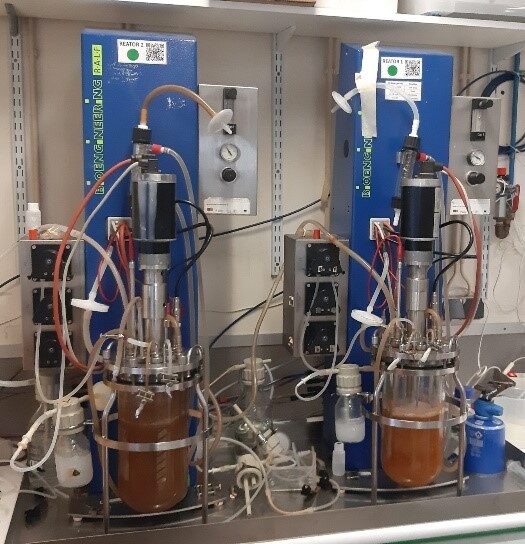
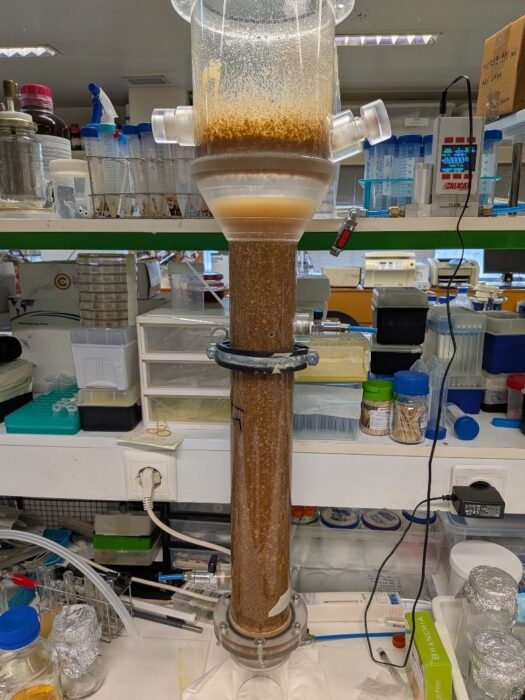
As Abrunhosa notes in the interview, the team at UMINHO has already successfully established the cultivation of Pleurotus ostreatus on brewer’s spent grain and scaled the fermentation process to a 3‑litre bioreactor. The next phase will focus on transferring the process to a larger airlift bioreactor, a step designed to support more efficient operation and assess the economic viability of the approach.
This progression reflects the Protein
The original interview in Portuguese is available here: Novas respostas para velhos desafios nutricionais – Perspetiva Atual
 This work was funded by the European Union’s Horizon Europe programme as part of project PROTEIN4IMPACT (Grant Agreement No. 101182324). Views and opinions expressed are, however, those of the author(s) only and do not necessarily reflect those of the European Union or the European Research Executive Agency (REA). Neither the European Union nor the granting authority can be held responsible for them.