Motivations Behind Alternative Protein Choices: A Behavioural Nutrition Intervention Study
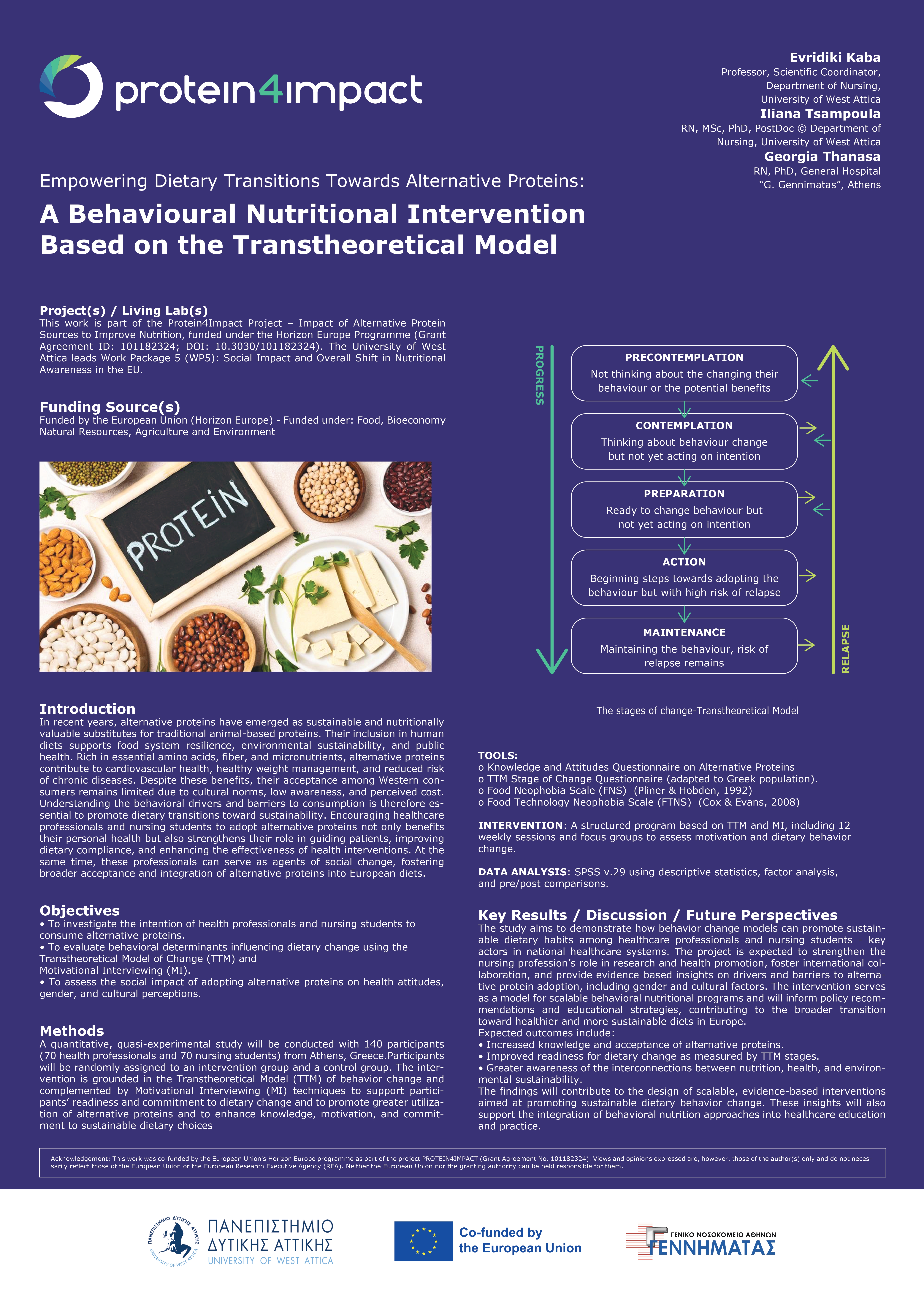
Introducing alternative proteins into European diets goes beyond offering new food options. True, lasting change depends on understanding why people make the choices they do—their attitudes, intentions, and the behavioural factors shaping everyday eating habits. Without this insight, even the most innovative protein sources may fail to reach their full potential.
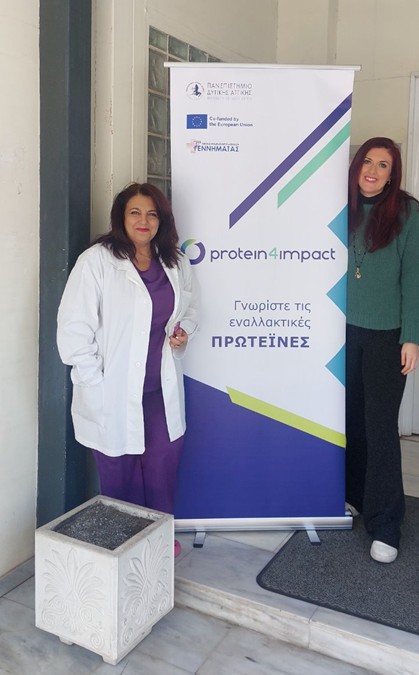
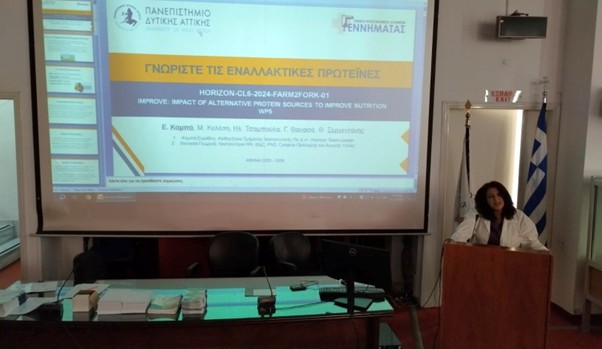
The UNIWA research team is conducting a behavioural nutrition intervention to explore these drivers. The first phase consists of a series of informational meetings designed to present the study framework and engage potential participants. The initial session, held in October, targeted nursing students, followed by a second meeting in December for healthcare professionals. These meetings invite participants to take part in an upcoming 12-week behavioural nutrition programme focusing on motivation, dietary behaviour, and intentions to consume alternative proteins.
The programme aims to recruit 140 participants and employs a quantitative quasi-experimental design informed by the Transtheoretical Model (TTM) and Motivational Interviewing (MI). The study seeks to identify key behavioural factors that support sustainable dietary choices and increased acceptance of alternative proteins.
You can read more about the Transtheoretical Model and Behavioural Nutritional Intervention on the poster here.

 This work was funded by the European Union’s Horizon Europe programme as part of project PROTEIN4IMPACT (Grant Agreement No. 101182324). Views and opinions expressed are, however, those of the author(s) only and do not necessarily reflect those of the European Union or the European Research Executive Agency (REA). Neither the European Union nor the granting authority can be held responsible for them.