

JP FAPESP Workshop: Strengthening EU–Brazil Collaboration in Sustainable Research
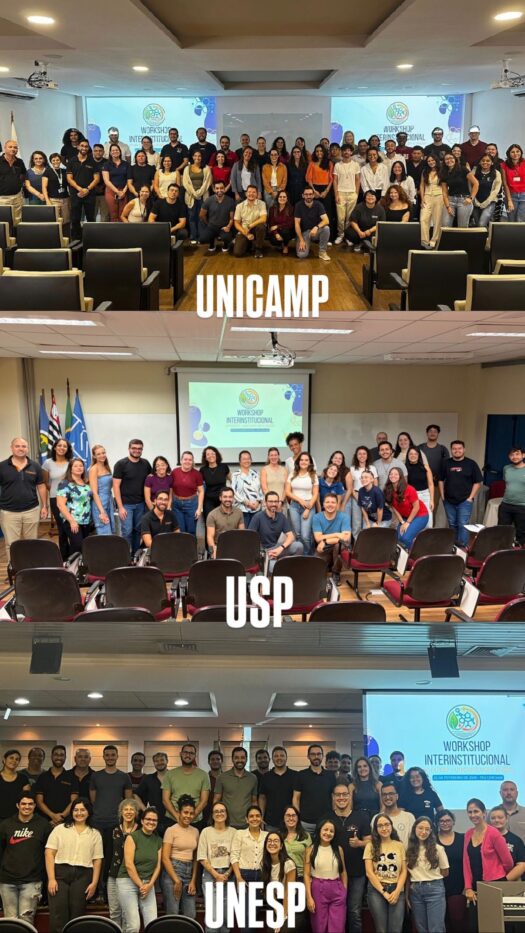
At the end of February, leading researchers from Brazil and Europe came together for the Interinstitutional JP FAPESP Workshop, held across three universities: UNICAMP (Campinas), USP (São Carlos), and UNESP (São José do Rio Preto).
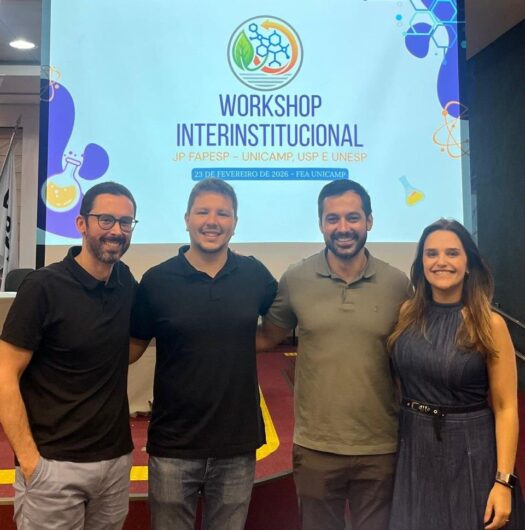
The programme featured presentations, open lectures, and team meetings, covering the latest activities of three FAPESP Young Investigator (JP) projects:
• Prof. Luís Marangoni Júnior (UNICAMP, FEA UNICAMP): pulsed light processing of foods and packaging
• Prof. Bianca Chieregato Maniglia (USP, IQSC): biomaterials, 3D printing, and bone scaffolds
• Prof. Tiago Carregari Polachini (UNESP, IBILCE): biorefinery, biomass valorisation, and PEF processing of foods.
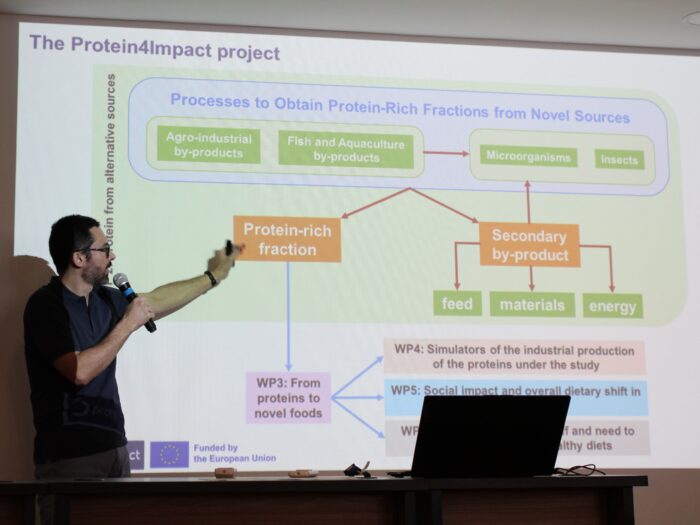
The workshop also included open lectures and contributions from the Protein
The event showcased cutting-edge research in sustainable biomass valorisation, emerging food technologies, and bio-based materials, fostering collaboration across continents.
Open presentations at each university provided insights into practical applications and technological advances, including:
• 3D printing for biomaterials and structured foods
• Integral valorisation of plant biomass, including proteins
• Non-conventional / emerging technologies for biomass processing
• Sustainable food packaging and design-for-recycling approaches.
Throughout the event, discussions focused on how diverse research environments, raw materials, and technological approaches can complement each other, accelerating innovation in circular bioeconomy, low-carbon protein systems, and new bio-based materials.
For Protein
A warm thank you goes to all participants, speakers, and supporters, and especially to FAPESP for enabling these collaborative initiatives that strengthen science across continents.
We look forward to continuing this collaboration and exploring new opportunities together to advance sustainable protein research and bio-based innovation!
 This work was funded by the European Union’s Horizon Europe programme as part of project PROTEIN4IMPACT (Grant Agreement No. 101182324). Views and opinions expressed are, however, those of the author(s) only and do not necessarily reflect those of the European Union or the European Research Executive Agency (REA). Neither the European Union nor the granting authority can be held responsible for them.