

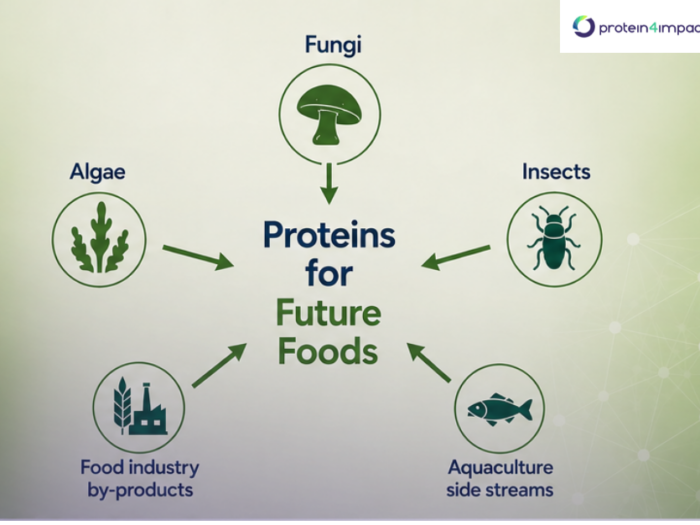
How PROTEIN4IMPACT Produces Proteins from Alternative Sources
As the global demand for sustainable protein continues to grow, researchers are exploring new ways to produce high-quality proteins while reducing pressure on natural resources. Alternative protein sources such as fungi, algae, insects, food industry by-products and aquaculture side streams are being explored in PROTEIN
Because every feedstock has unique characteristics, there is no single processing method suitable for all of them. PROTEIN
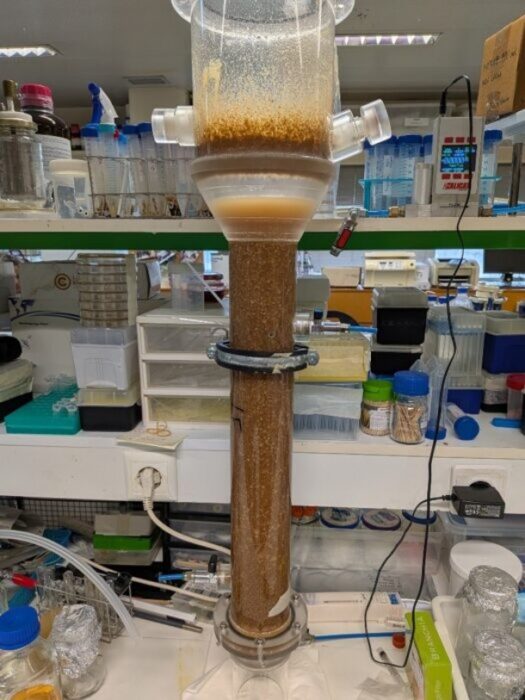
Airlift bioreactor (UMINHO).
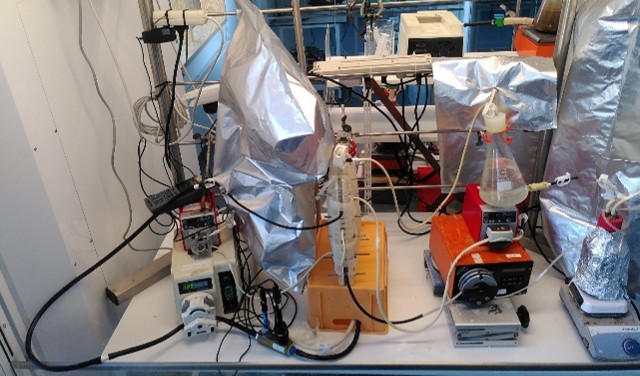
Laboratory setting for hydrogen-oxidising bacteria cultivation (DTU Sustain).
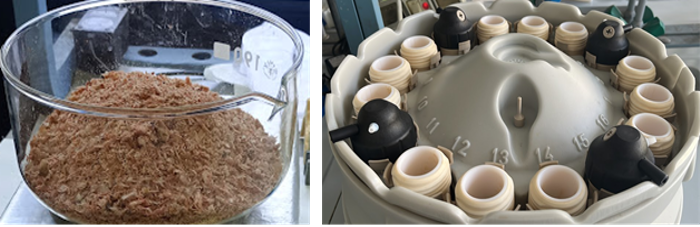
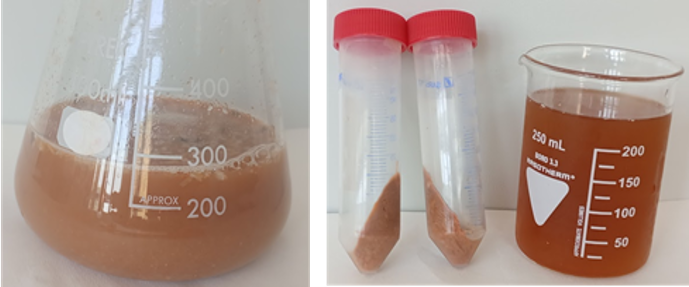
Microwave-assisted protein extraction (CNR).
The first results already demonstrate the potential of these approaches. Brewer’s spent proved to be an excellent substrate for fungal growth and mycoprotein production and was selected for subsequent cultivation of fungal biomass in an airlift bioreactor. Research is also exploring how agricultural by-products such as banana residues, brewer’s spent grain and cocoa shells can be used as feed for protein-rich insects, including Tenebrio molitor and Alphitobius diaperinus, potentially improving both their nutritional composition and the overall sustainability of insect production.
Another promising outcome comes from aquaculture side streams. Using microwave-assisted extraction, researchers have been able to recover proteins up to 30 times faster than with conventional extraction methods, demonstrating how innovative processing technologies can improve both efficiency and resource utilisation.
As the project progresses, these technologies will continue to be refined and combined with further research on food formulation, safety and consumer acceptance. Together, they will help transform underutilised biological resources into sustainable protein ingredients for the foods of the future.
 This work was funded by the European Union’s Horizon Europe programme as part of project PROTEIN4IMPACT (Grant Agreement No. 101182324). Views and opinions expressed are, however, those of the author(s) only and do not necessarily reflect those of the European Union or the European Research Executive Agency (REA). Neither the European Union nor the granting authority can be held responsible for them.